A Kiwi Soldier's Memoir
Written by
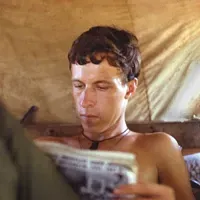
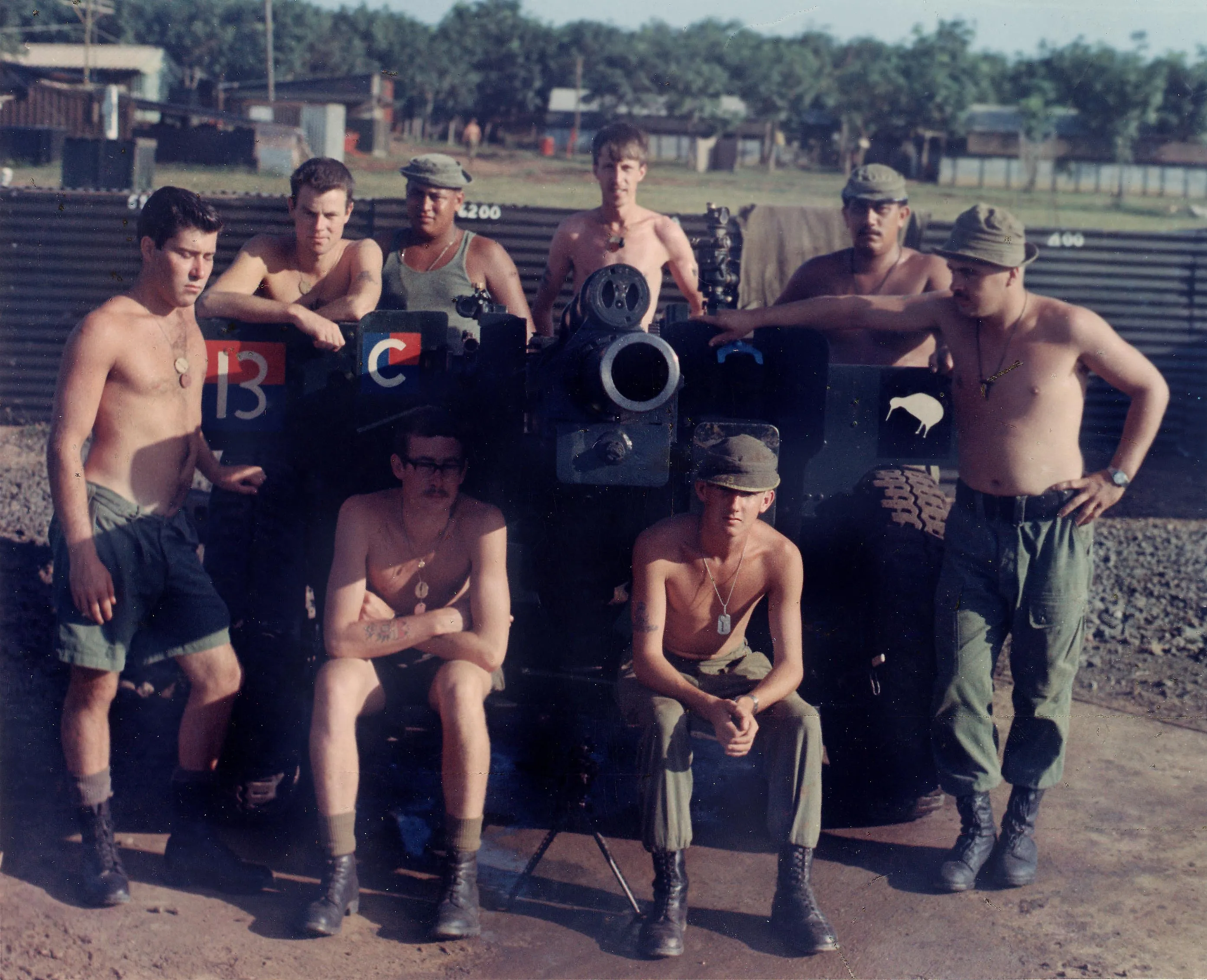
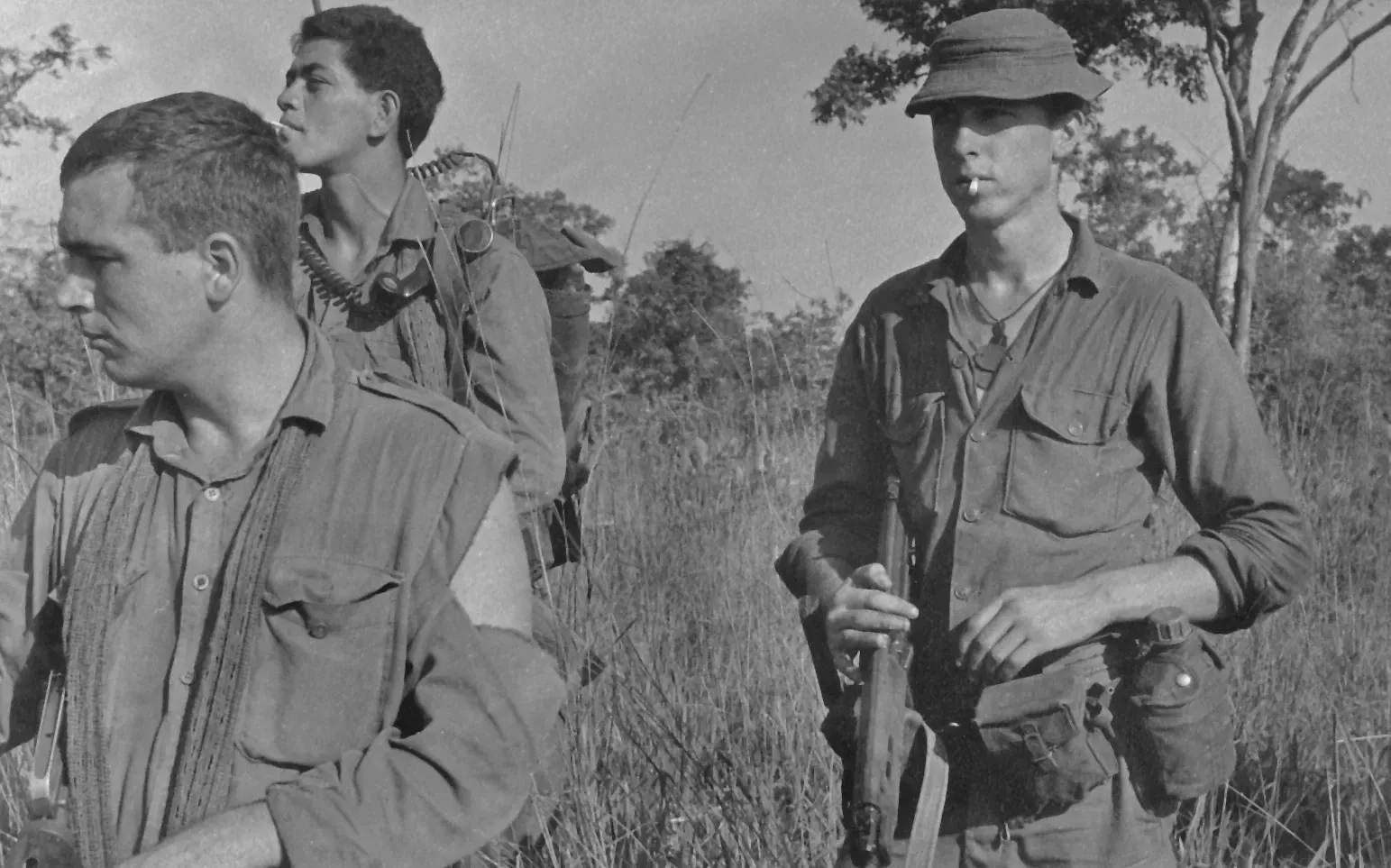
The Kiwi experience of the Vietnam War is being told for the first time from a Gunner’s perspective. Previous books on the topic have been authored by officers, tacticians, novelists and historians.
The Kiwi experience of the Vietnam War is being told for the first time from a Gunner’s perspective. Previous books on the topic have been authored by officers, tacticians, novelists and historians.
Pat Duggan’s unit, 161 Battery, holds the dubious distinction of having seen the longest period of active service of any in New Zealand’s entire military history, and Pat himself played a full part.
He served two tours of duty in Vietnam, first as a single man, and then again leaving a young wife and two small children at home.
He was on the gun line with his sleeves rolled up when the ANZAC forces’ were engaged in their best-known action of the war, the battle of Long Tan, in which New Zealand artillery fire saved Australian lives. And he was in the gun position command post at the worst moment of New Zealand’s war, too, when New Zealand artillery killed and wounded Australian soldiers in an episode of ‘friendly fire’.
“I wanted to tell the whole story from my point of view. We were the first generation of Kiwi soldiers who felt they had to explain themselves to the rest of our countrymen, and I don’t think we’re finished yet. We’re dying faster than we should and we need to keep speaking up for our children and grandchildren’s sake.”
Pat was exposed to the herbicides notoriously used by American forces, too. On one occasion he was hospitalised and spent two days in a coma after a stint on patrol where “we’d had to spend a fair bit of time sloshing around up to our waists in swamp. It certainly wasn’t malaria that I picked up, because that tested came back negative, but my medical records from that time have been ‘lost’ somehow.”
Pat’s war was typical of many who of those who served, and he describes it unflinchingly. He is proud to have done his bit. “The government of the time decided that our freedom was at stake. We were fighting for the same freedom that allows civilians to march in protest peacefully.”
“War is an abomination, but while there are governments to start trouble in the world, and for as long as youth feels the itch for adventure, there will always be war and soldiers to fight it. Governments start them, young men and women fight, suffer and die in them. Just don’t blame the soldiers.”
After his unit, 161 Battery, fired its last rounds in Vietnam on May 1st, 1971, Pat picked up the cartridge case and took it home with him. He’s since had it engraved with the names of the gun detachment. Records show that the round was the 231,766th fired.
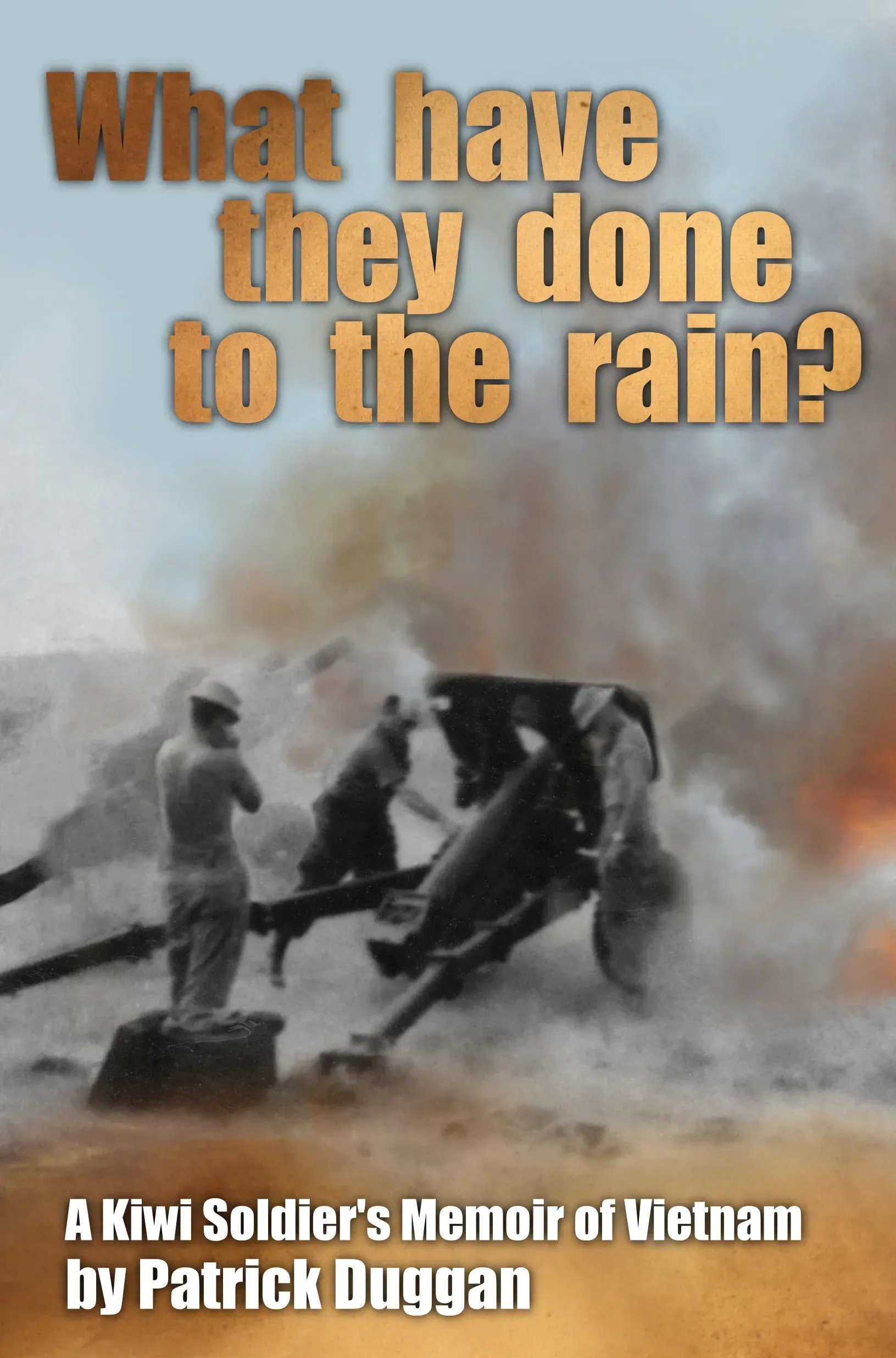
What Have They Done to the Rain? A Kiwi Soldier’s Memoir of Vietnam is being launched in Christchurch this ANZAC Day and in Wellington on Friday 29th April.
The book is available from bookstores and libraries nationwide, or can be purchased online at www.kukupapress.com
Book Launch: Monday, 25th April, from 1300 hours, at the Papanui RSA, 55 Bellvue Avenue, Christchurch.
A Wellington event will also be held at Marsden Books, Friday, 29th April, from 1800 hours.
Publication Details: What Have They Done to the Rain? A Kiwi Soldier’s Memoir of Vietnam by Patrick Duggan, is published by Kukupa Press, April 2011. RRP NZ$32.00 ISBN 978 0 473 17529 0
About the Author: “My book is quite unique in that it is my recollection of what happened. Some will agree, some will not, but hey, it’s my story told as I remember it. I thought it was important to get a look at Pat Duggan as a civilian before joining the army and then as a soldier too. My army career was, if nothing else, eventful. I met a lot of good people on the way but sadly a lot of them have since died and I don’t want to go to my maker with the music still playing in my head, I want others to hear it and read about it. My post-Army days saw me start a second career in Tertiary Education with Academy New Zealand and I am slowly working my way out of that now edging towards my retirement. I also managed the Christchurch RSA for 6 years and in that time I developed a passion for helping other veterans. That is work I still continue to do to this day, albeit unpaid. I am a true volunteer in that I will always offer a hand of help to anyone who needs it. I have no regrets and would cheerfully do it all again.”
Pat was born in 1946 and left school at the age of 15 to train as a soldier. His two tours in Vietnam were with the Royal New Zealand Artillery, 161 Battery, from 1966–67 and 1970–71. He retired from the Army in 1987 after completing 25 years of service, and began being the Christchurch City Parade Marshall for ANZAC Day that same year. Pat lives in Christchurch with his wife Elly. They have two children and four grandchildren. What Have They Done to the Rain is Pat’s second book.
Notes for Editors: After the Second World War, New Zealanders were sent to conflicts in Korea in 1951 and to Malaya and Borneo in the sixties. Vietnam was the last time New Zealanders fought on behalf of another power; instead they’ve been sent under the auspices of the United Nations.
Agent Orange was just one of the “rainbow herbicides” used during the conflict. The others were called Agent White, Agent Green, Agent Purple, Agent Blue and Agent Pink. All were named after the colour painted on the outside of their container. Jungle areas were sprayed with these chemicals for two purposes: to kill vegetation to improve detection of enemy positions and activities; to deprive the enemy of food by destroying crops. The New Zealand government initially stated that no New Zealander servicemen were deployed in areas were defoliants were used, but in 2004 a Parliamentary Health Committee reported that veterans had indeed been exposed (Chadwick Report).