TBI Q&A: Liam Ryan
Written by
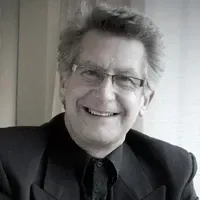
The Tauranga National Jazz Festival began as a Sunday jam session on Cameron Road in 1962 and now in its 48th year has grown into a five day festival with international headliners.
Artistic Director Liam Ryan says keeping the musicians at the core of the festival has helped its longevity. “Everything else is built on their talent and generosity of spirit as artists.”
He says the festival is a chance for the musicians to gather together and physically sense they are a community, rather than being ‘the Others’.
“Jazz tends to operate at the fringes of the wider music industry. At the Tauranga National Jazz Festival musicians are at the centre of things - they feel valued and safe enough to take some musical risks – that is what jazz is all about.”
The 48th National Jazz Festival in Tauranga is on during Easter from April 1-5.
What aspect of your creative practice gives you the biggest thrill?
Like most creative arts practitioners I have a portfolio of projects I am involved in at any one time ranging from composing at the piano to running events. The one consistent factor in all of those domains is people. The relationships which I make and enjoy in the process of creating and disseminating art are the most valuable payoff for me. They lead to great conversations and occasionally to great collaborations as I go further into my work.
How does your environment affect your work?
It’s critical to me. I am a big fan of Richard Florida – I agree with him that where you are working affects what you are working on and your praxis. These days I am located in rural Nelson. I am often drinking in the landscape, the birds and the skies of the Dovedale Valley as I work in the studio or talk by phone or internet with musicians, producers or my students. I am lucky to have a sense of being grounded even when dealing with the most energized discussions or project management – often with someone on the other side of the world.
Do you like to look at the big picture or focus on the details?
I tend to be a Big Picture person – a fire starter. I am not afraid to take on leadership roles. My father always said “delegate till your heart breaks - you can’t know everything about everything”. These days I have my most satisfying moments when working as part of a functioning team – whether it be a great band, a project team or an intermedia creative project .
What's your number one business tip for surviving (and thriving) in the creative industries?
Strive to be authentic: listen to what’s coming out of the ground; trust your intuition as an artist or artist advocate.
Which of your projects to date has given you the most satisfaction?
The Millennium project “The Present “– a project over two years involving two hundred students, a team of 7 teachers and music producers which brought student visual art, music and literature together as a CD and book. It went on to win a Tui Award at the New Zealand Music Awards 2002.
The National Jazz Festival continues to enthral me as an annual challenge – to create depth in the programme, recognize emerging jazz artists and support them, to assist in creating a music community. And to have meaningful discourse around music, art, identity and philosophy with great minds is fantastic - every year we raise the bar and the conversations get better and better.
Who or what has inspired you recently?
I have read a lot about New Zealand art and literature in the last year – from Michael King to Brian Turner and Sam Hunt, Hamish Keith and re-listening to Hirini Melbourne’s recordings. Exposing myself to all of that great thinking coupled with my current love affair with the New Zealand landscape has given me a sense of finding my Self. And I feel all of that emerge now when I am at the piano, or when I am in conversation with artists.
How long has the National Jazz Festival been running?
The Jazz Festival is in its 48th Year. It began as a Sunday jam session on Cameron Road in 1962 and now has grown to be a five day festival with international headliners and a substantial programme of cutting edge and mainstream jazz acts. This year we will stage about 70 bands covering everything from a commissioned work for film and jazz to a concert by Dr John.
What has been the key to its longevity?
The Festival has always had a solid reputation among musicians. At the core of the festival it is the musicians who shine. Everything else is built on their talent and generosity of spirit as artists.
How does it compare or collaborate with jazz festivals internationally?
We now share artists with Australian festivals and have also worked in collaboration with other national festivals – The Wellington Jazz festival and Nelson and Christchurch Jazz Festivals among others. We make a point as a team to personally attend as much live jazz as we can.
Why do think it’s an important event for New Zealand?
It is a chance for the musicians to gather together and actually physically sense that they are a community rather than being the Others. Jazz tends to operate at the fringes of the wider music industry. At the Tauranga National Jazz Festival musicians are at the centre of things -they feel valued and safe enough to take some musical risks – that is what jazz is all about.
You first became involved in the Festival as a performer?
Yes back in 2002 with the band Torch Songs. I have also played with various blues and other jazz ensembles as part of the festival programme over the years. These days I take a back seat as a performer at the festival – there is too much else going on. Having said that I will do a set with Torch Songs again on the last day of the festival this year. I am still very much involved a s a musician in the wider musical industry. I released a solo electronica-jazz album “ Mississippi To Mauao” in 2007 and I am about to drop a new album June this year called “Pacific Riviera”.
How did you become involved in organizing the festival?
I joined the Tauranga Jazz Society in 2002, eventually became President of the TJS and directed the festival in 2007 for the first time. I am now happy to work primarily with artists as Artistic Director.
What does your role as Artistic Director include?
Establishing links with musicians and other festivals, curating shows, creating opportunities for musicians to display their work- it’s a dream for me job really.
How does your background in the music industry help with this role?
I have links into the music community which run deep – 20 years touring, being on the NZMC, owning my own record label (Torch Records Ltd) as part of IMNZ – all of these networks allow me to check and double check myself when I am involved in creating music or musical events.
What advice would you give to aspiring Artistic Directors?
Back yourself; be courageous at all times. And be humble when it’s appropriate.
What’s involved in the preparation for festival? What combination of people and resources are required?
We have a team of three who work all year round – and we bring in other assistance as we get closer to the launch. We also work closely with the Tauranga Jazz Society Committee.
What have been some of the challenges and how do you approach them?
Trying to raise the level means that you are making choices about artists all of the time – when you choose one artist over another you often make a friend and you lose a friend. The only real challenges apart from that involve being organized. There is a tsunami of information coming your way on any day – you have to have personal organizational strategies for dealing with that – its sink or swim!
What are some of the highlights of this year’s festival?
Definitely Dr John is a personal highlight for me. But inside the wider festival are all sorts of gems – especially things like the Thad Jones Tribute show, The Aspen Reserve programme ( Maori Jazz artists) , workshops by Brian Auger and Nathan Haines’ bands…..everything is a highlight for me.
How does the National Jazz Festival generate opportunities for New Zealand musicians?
The festival has a lot of kudos after 48 years of history. An appearance at the festival, with good reviews, is a good calling card for international or other national festival appearances. Apart from that it is a fantastic opportunity for professional development as a musician; a chance to cut heads with the best in the land.
What are your hopes and dreams for the future of the festival?
We are looking forward to the 50th festival in 2012. Something magical will happen – we don’t know what that will be yet. Beyond that I would like to see the festival embrace the digital age – the idea of virtual performances or cross discipline performances blending technologies and art forms appeals to me. But we have to be careful to stick to our knitting too – we are primarily about great jazz after all.
What are some of your upcoming plans and projects – your next big idea?
I am going back to Nelson after the festival to finish mixing down my Pacific Riviera album. After that I will be working with a Nelson poet and photographer on a project which will be an installation involving sound, text and pictures. And I will kick the sand at Ruby Bay, meditate on Mount Arthur and the next Big Idea will arrive. I just have to be ready.
Further information:
The full programme line up for the 48th National Jazz Festival is available at www.jazz.org.nz. Book tickets at Ticket Direct by phoning 0800 4TICKET (484 253) or at www.ticketdirect.co.nz